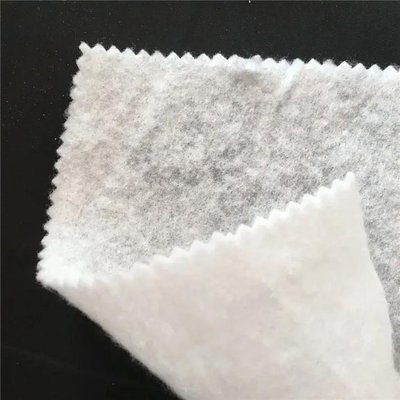
Non-woven fabrics excel in filtration due to their customizable structure, but pairing them with the right equipment is critical. For coarse particle capture (10–100μm), bag filters or drum filters paired with spunbond non-wovens balance airflow and efficiency, ideal for industrial dust control. High-precision needs, like pharmaceutical or HEPA applications, demand meltblown or nanofiber-coated non-wovens in cartridge or panel filters, ensuring >99% efficiency for sub-micron particles.
Evaluating compatibility hinges on three factors: performance alignment (e.g., pore size vs. target particle size), operational
parameters (flow rate, pressure drop, temperature/chemical resistance), and lifecycle costs (maintenance frequency, replacement intervals). Tools like ASTM F313 or ISO 16889 standardize testing, while real-world trials validate performance.
Case in point: automotive cabin air filters leverage spunbond-meltblown composites for optimal dust retention without clogging. As sustainability drives innovation, hybrid non-wovens with recycled fibers or biodegradable coatings are gaining traction, requiring equipment to adapt for both efficiency and eco-compliance. Matching non-wovens to equipment isn’t just technical—it’s a strategic choice for long-term filtration success.