NEWS
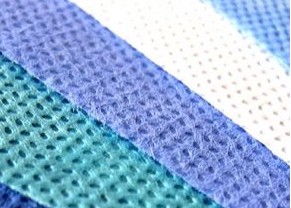
In nonwoven fabrics, spunbond and meltblown technologies serve distinct yet complementary roles. Spunbond, produced by extruding thermoplastic polymers like polypropylene into continuous filaments and bonding them via heat or mechanical means, excels in strength, durability, and cost efficiency. Its robust structure (30-100 gsm) makes it ideal for high-load applications such as medical gowns, agricultural covers, and packaging.
Meltblown, by contrast, uses high-velocity hot air to draw molten polymer into ultra-fine fibers (1-5 microns), creating a dense, porous web. This microfiber matrix delivers exceptional filtration efficiency, critical for N95 masks, air/liquid filters, and medical hygiene products. While spunbond prioritizes structural integrity, meltblown specializes in barrier performance and particle capture.
Modern innovations leverage hybrid structures like SMS (spunbond-meltblown-spunbond) to combine strength and filtration. Industry trends in 2026 emphasize sustainability, with biodegradable polymers and recycled materials gaining traction. As demand for high-performance, eco-friendly nonwovens grows, understanding these core differences remains vital for manufacturers and end-users alike.